Health and Safety Policy for Cleaners Clapham
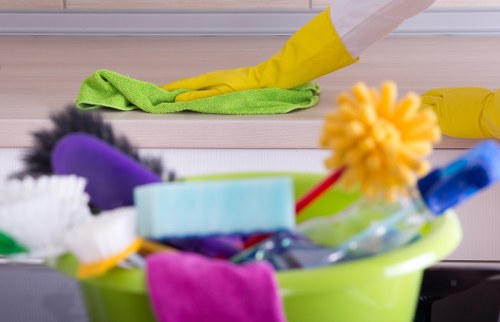 This Health and Safety Policy sets out the standards expected from Cleaners Clapham in every cleaning task, whether carried out in homes, offices, or shared spaces. Our approach is based on preventing harm, reducing risk, and ensuring that every cleaner can work in a safe, controlled, and responsible way. The policy applies to all staff, supervisors, and anyone acting on behalf of the company. It supports a culture where safe working is part of everyday practice, not an afterthought.
The main aim of this policy is to protect workers, clients, and anyone else who may be affected by cleaning activities. Cleaning can involve slips, trips, lifting, chemical exposure, electrical equipment, and contact with waste materials, so clear procedures are essential. We expect all cleaners in Clapham to follow agreed methods, use equipment correctly, and report hazards without delay. This helps maintain high standards of service while keeping risk as low as reasonably possible.
Cleaners Clapham recognises that good health and safety management begins with planning. Before work starts, cleaners should assess the environment, identify hazards, and decide whether any extra controls are needed. This is especially important when working in busy premises, near vulnerable people, or in areas with poor lighting, wet floors, or restricted access. Risk awareness is part of the job and must be applied consistently.
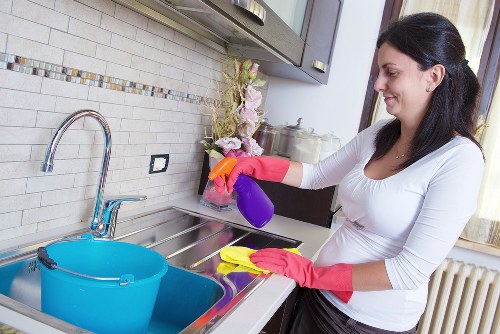 All cleaners must receive suitable instruction and supervision so they understand how to work safely. Training should cover manual handling, correct use of cleaning products, emergency procedures, and safe operation of tools and machinery. Refresher training may be required when procedures change or when a new risk is identified. Supervisors should make sure that workers know how to raise concerns and how to stop work if conditions become unsafe.
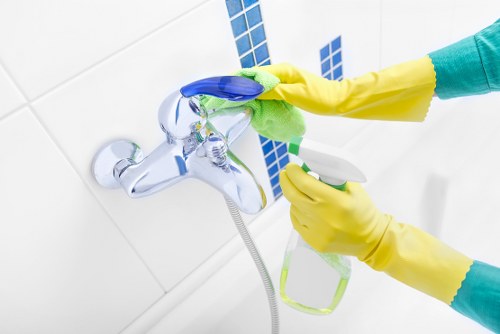
Personal protective equipment, or PPE, must be used where needed. Depending on the task, this may include gloves, aprons, eye protection, or non-slip footwear. PPE must fit properly, be kept clean, and be replaced when damaged or worn out. However, PPE is only one part of safe practice; cleaners should also follow correct methods to avoid exposure and reduce the chance of accidents. Safety starts with careful behaviour and attention to detail.
The safe use of cleaning chemicals is a key part of this policy. Products should always be stored securely, clearly labelled, and used according to instructions. Mixing chemicals is prohibited unless the product instructions specifically allow it. Containers must never be reused for other substances. Where possible, lower-risk alternatives should be chosen. If a chemical spill occurs, the cleaner must follow the relevant procedure immediately and ensure the area is made safe.
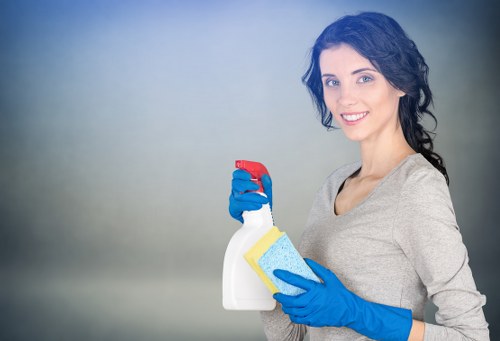 Equipment safety is equally important. Mops, vacuums, extension leads, buffers, and other tools should be checked before use and maintained in good condition. Damaged equipment must be taken out of service and reported at once. Electrical items should not be used with wet hands or in unsafe conditions. Cables should be arranged to prevent tripping, and equipment should be stored neatly after use. Regular checks reduce failure, improve efficiency, and support safer working practices.
Manual handling must be approached with care. Cleaners may need to lift bins, move furniture, carry supplies, or transport equipment between areas. Loads should be assessed before lifting, and assistance should be used when items are too heavy, awkward, or unstable. Good posture, correct technique, and sensible pacing all help reduce strain and injury. Where possible, tasks should be planned to avoid unnecessary lifting and repetitive movements.
Housekeeping standards are central to the policy. Work areas should be kept tidy, floors should be cleared of clutter, and spills should be dealt with promptly. Warning signs must be used when floors are wet or when there is a temporary hazard. Cleaners should also make sure that entrances, corridors, and exits are not obstructed. A clean workspace is not only more professional; it is also safer for everyone involved.
Emergency preparedness is another requirement. Cleaners must know the procedure for fire, injury, chemical exposure, and other urgent situations. First aid supplies should be available where required, and incidents should be reported according to the company process. If a cleaner becomes unwell, injured, or exposed to a hazard, work must stop until the situation has been assessed. Prompt reporting allows action to be taken quickly and helps prevent repeat incidents.
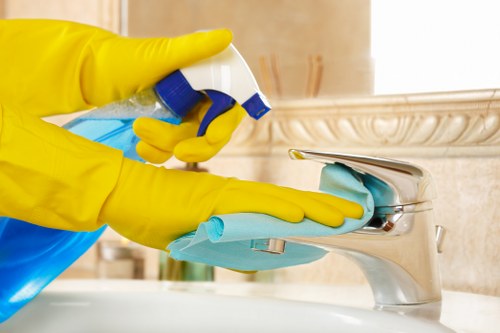 Health protection is also part of the policy. Cleaning work can involve dust, fumes, allergens, and biological waste, so tasks should be carried out with suitable controls in place. Gloves should be changed when contaminated, hands should be washed regularly, and eating or drinking should not take place in work areas. Where tasks may create respiratory irritation or other exposure risks, extra precautions should be used. Protecting health means considering both immediate and long-term effects.
Cleaners Clapham expects all personnel to behave responsibly and cooperate with safety arrangements. Anyone who notices unsafe conditions, faulty equipment, or poor working practice must report it straight away. Managers are responsible for reviewing incidents, updating procedures, and making improvements where needed. This policy will be reviewed regularly to keep it effective and relevant. Continuous improvement is essential to maintaining high standards and a safe workplace.
 In summary, this policy reflects our commitment to safe, professional, and well-managed cleaning services. Every cleaner has a role in protecting themselves and others by following procedures, using equipment properly, and staying alert to risk. By combining training, supervision, planning, and good housekeeping, Clapham cleaners can deliver excellent results while keeping health and safety at the centre of their work.